Semi-Circle: Comparing Three Pilates Variations
Aug 09, 2026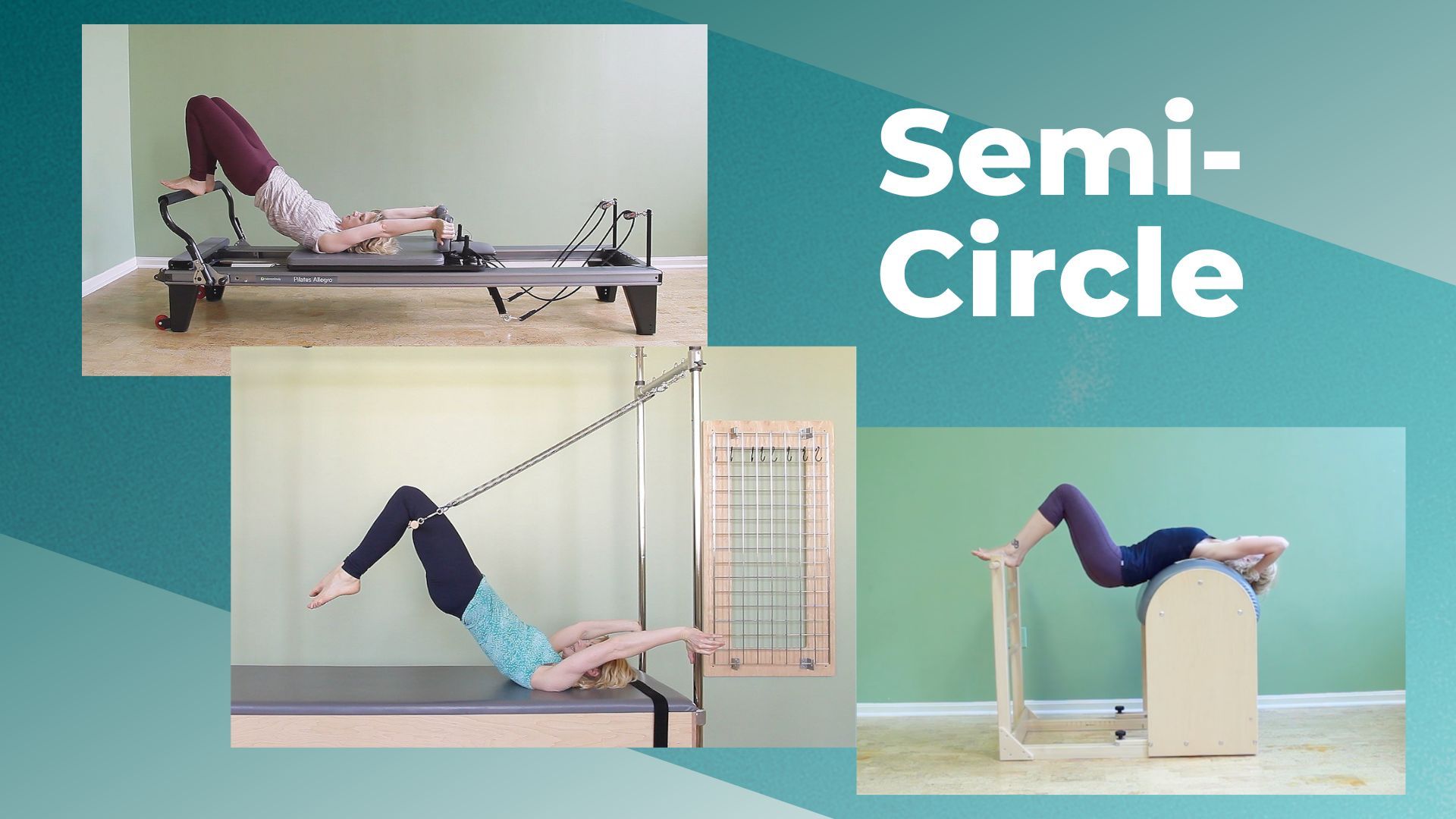
Semi-Circle is one of the most recognizable exercises in the Pilates repertoire—and not necessarily because of what it does.
Let's be honest... it's recognizable because of what it looks like.
The dramatic arch, the flowing movement, the impressive shape of the body—it catches your eye. It's one of those exercises that many Pilates enthusiasts aspire to master.
Superficial? Perhaps.
But we live in a world that often celebrates the external: how an exercise looks, how flexible someone appears, or how advanced the movement seems.
Here inside the Pilates Encyclopedia universe, we like to focus on internal values instead.
What is the exercise trying to teach?
What movement skills does it develop?
What strengths and mobility does it require?
And perhaps most importantly...
Which version is the right one for this particular student?
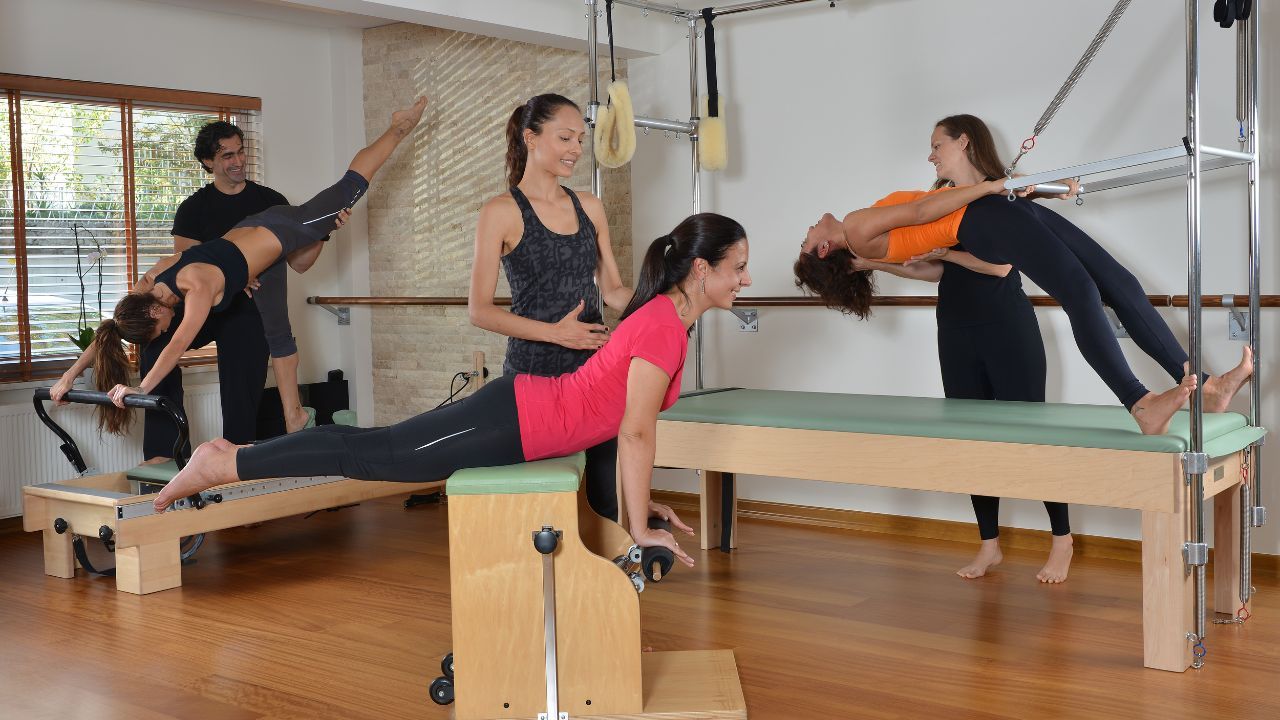
One thing that often surprises people is that Semi-Circle doesn't exist in just one form. In fact, I would argue that the easiest variation is performed on the Ladder Barrel, followed by the Tower, with the Reformer being the most demanding of the three.
Unfortunately, many people attempt the Reformer version first simply because it's the one they're most familiar with.
Personally, I think that's backwards.
Like many Pilates exercises, the equipment can be used to create a logical progression. Each variation develops the mobility, strength, coordination, and confidence needed for the next, allowing students to build the exercise rather than struggle through it.
Below, you'll find three videos demonstrating each version of Semi-Circle. Watch how they differ—not just in appearance, but in what they ask of the body.
If you'd like to dive deeper, Pilates Encyclopedia members have access to detailed exercise tutorials for all three variations, along with an in-depth comparison article that explores the advantages, challenges, teaching goals, and progressions for each one. You'll learn exactly when to choose the Ladder Barrel, Tower, or Reformer version, and how to prepare your students to perform each exercise safely and successfully. Learn more about the membership...
Semi-Circle on the Reformer
If you don't have a Tower nor Ladder Barrel available, then I would recommend you prepare for this Semi-Circle with Bridging on the mat, the Wall, and the Reformer. Remember that getting into this exercise is one of the hardest parts, so make sure to teach the setup very carefully. You don't want to make your students afraid of the Reformer. Especially in a group class, you can't wathc and spot everyone at the same time.
Semi-Circle on the Trapeze Table
Also known as Short Spine. This variation does not move the spine into extension and your feet do not touch anything. But the feedback your spine gets from the table as you roll your spine up and down is a great lesson for improving body awareness and spine articulation.
Semi-Circle on the Ladder Barrel
Also known as Bridging. This variation gives you spine feedback as you articulate into extension. It's the perfect preparation for the Reformer variation.
Perhaps the real goal isn't to get your students to perform the Reformer Semi-Circle as quickly as possible. The real goal is to help them develop the mobility, strength, control, and confidence that make the exercise feel almost inevitable. That's the beauty of Pilates: when the progression is thoughtful, the advanced exercise becomes a natural consequence—not just another milestone to check off.