Posture vs. Core: Moving Beyond the Divide
Feb 18, 2019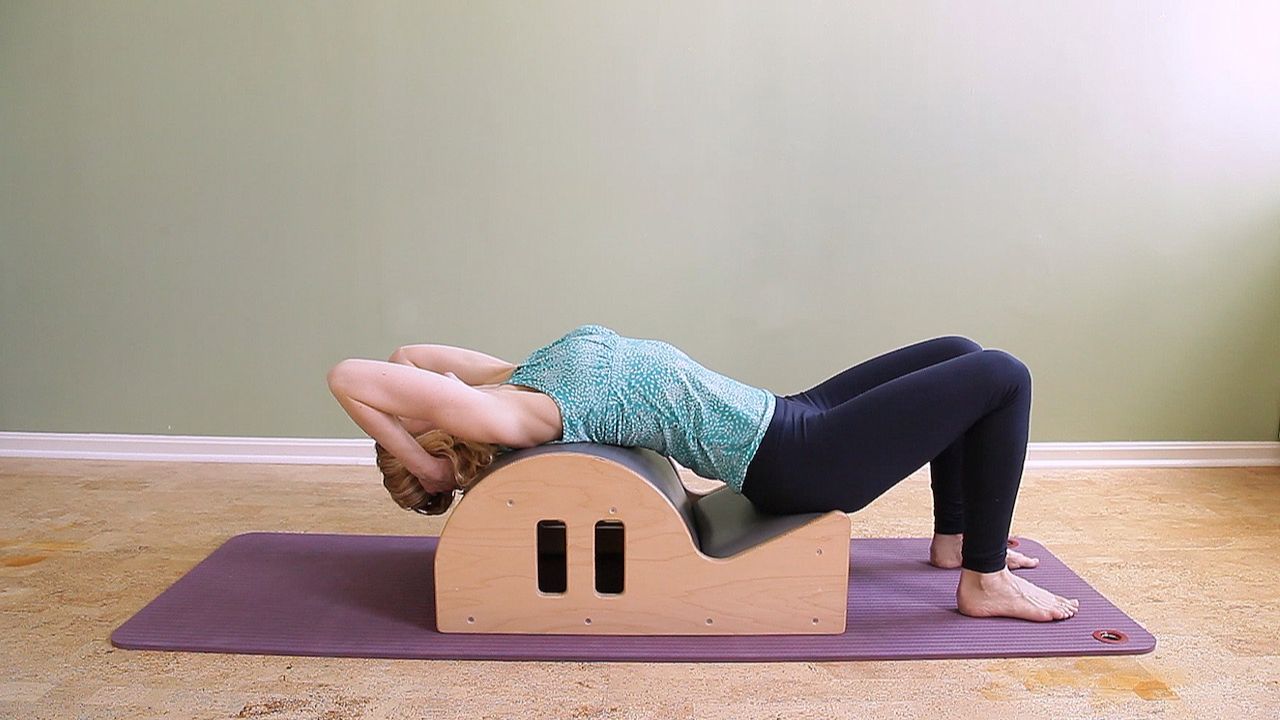
“Posture” and “core” are often treated as separate concepts in movement education. Posture is associated with how we hold ourselves, while the core is seen as the system that stabilizes us.
In practice, however, this distinction can be misleading.
- “Spread your collarbones wide” and “keep your chest open” are wonderful cues for posture (regarding the shoulder girdle).
- “Draw your ribs down and together” or “keep your suspenders on” are two of the most used cues for core connection.
Have you noticed that you basically switch back and forth between those two (opposing) cues without lasting success? When you cue the chest wide, then the ribs pop. When you cue the ribs down, the chest collapses. Oh my!
Posture and core function are not independent—they are deeply interconnected aspects of how the body organizes itself in gravity.
Rethinking Posture
Posture is often described in static terms: standing tall, sitting upright, or maintaining a “correct” alignment.
But posture is not a fixed position to hold.
It is a dynamic process—a continuous, subtle adjustment of the body in response to gravity, breath, and movement. Even when you appear still, your body is constantly making small shifts to maintain balance.
When posture is approached as something rigid or idealized, it often leads to:
- Excessive tension
- Overcorrection
- Reduced adaptability
Instead of improving efficiency, this can make movement feel constrained and effortful.
Rethinking the Core
The “core” is frequently reduced to the abdominal muscles, with an emphasis on contraction and control.
In reality, the core is a coordinated system that includes:
- The diaphragm
- The pelvic floor
- The abdominal wall
- The deep muscles of the back
These structures work together to manage intra-abdominal pressure, support the spine, and adapt to changing demands.
Core function is not about constant bracing. It is about responsiveness—engaging, releasing, and adjusting as needed.
Where the Confusion Arises
When posture is treated as something to hold, and the core as something to tighten, a common pattern emerges:
- The body becomes rigid rather than supported
- Breathing becomes restricted
- Movement loses fluidity
This often shows up as “efforting”—trying to create stability through force instead of coordination.
Integration Instead of Separation
Rather than thinking in terms of posture versus core, it is more useful to see them as expressions of the same underlying system.
Efficient posture emerges from well-coordinated core function.
And effective core engagement reflects how the body is organized in space.
In other words, posture is not something you impose—it is something that arises from balanced support.
Related: The Cueing Cure: Dramatically Improve Your Verbal Cueing in 30-Days
A More Functional Approach
To support both posture and core function, shift the focus toward integration:
- Allow natural spinal curves instead of forcing an upright shape (I love using the small and large barrels for this purpose, or the Oov, if you own one.)
- Coordinate breath with movement rather than holding tension (I know you know this, but it's worth repeating: don't hold your breath!)
- Encourage balanced muscular activity instead of isolating effort (Focus on whole body integration and commitment)
- Prioritize adaptability over stillness (The concepts of yielding and opposition are great tools to encourage adaptability.)
These principles create a body that is both stable and mobile—capable of responding to movement demands without unnecessary strain. Remember, rigidity is fragile. Structures with built-in flexibility (such as earthquake proof buildings) withstand strong environmental forces without harm.
From Holding to Organizing
A helpful shift is to move away from the idea of “holding good posture” and toward organizing the body efficiently.
This means:
- Letting support come from the whole system
- Allowing movement to remain fluid
- Trusting subtle, ongoing adjustments
When this happens, posture becomes less about appearance and more about function.
Example
Going back to the example from the top of this article, the reason why we can't seem to achieve connected ribs and wide shoulders at the same time, is that the muscles attached to the front of your chest between your neck and your lower ribs (intercostals, scalenes, sternocleidomastoid, pecs, etc) are often very short. They pull the chin and collar bones down and forward, and the lower ribs up and forward, towards each other.
My favorite exercises to lengthen this area are
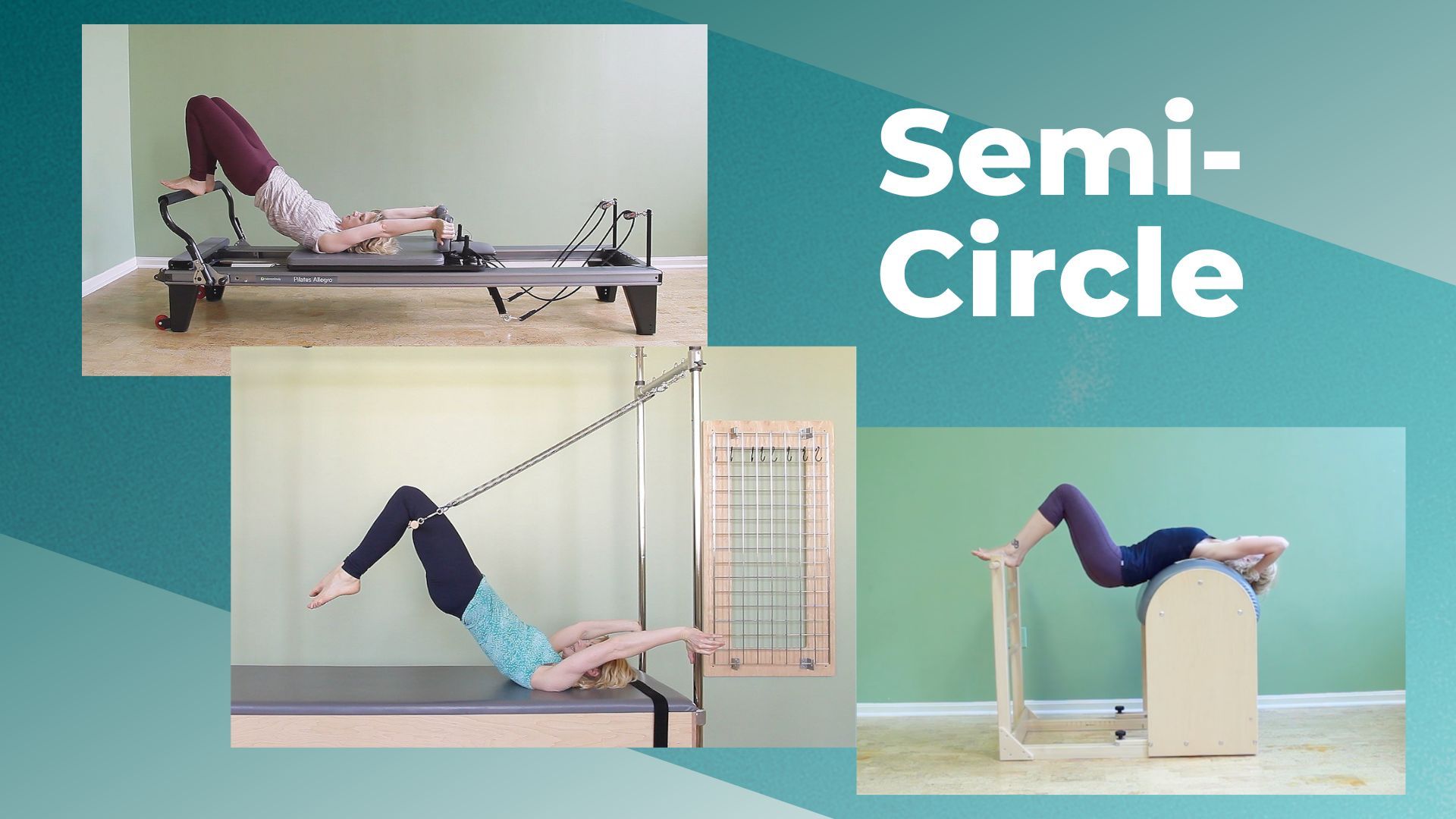
- Standing Back Bend/Supine Stretch on the Ladder Barrel
- Bridging on the Ladder Barrel
- Seated Back Bend/Supine Stretch on the Spine Corrector
- Chest Lift/Ab Curls on the Spine Corrector.
When the round barrel shape is placed under the thoracic area, it pulls the ribs down on one end and the chest and neck down the other end, hence away from one another.
Closing Insight
Posture and core are not competing priorities. They are different perspectives on the same process: how the body supports itself and moves with efficiency.
By moving beyond rigid cues and isolated effort, we create space for a more integrated, responsive, and sustainable approach to movement—one that reflects the true principles of Pilates.