Put Your Suspenders On
Apr 09, 2016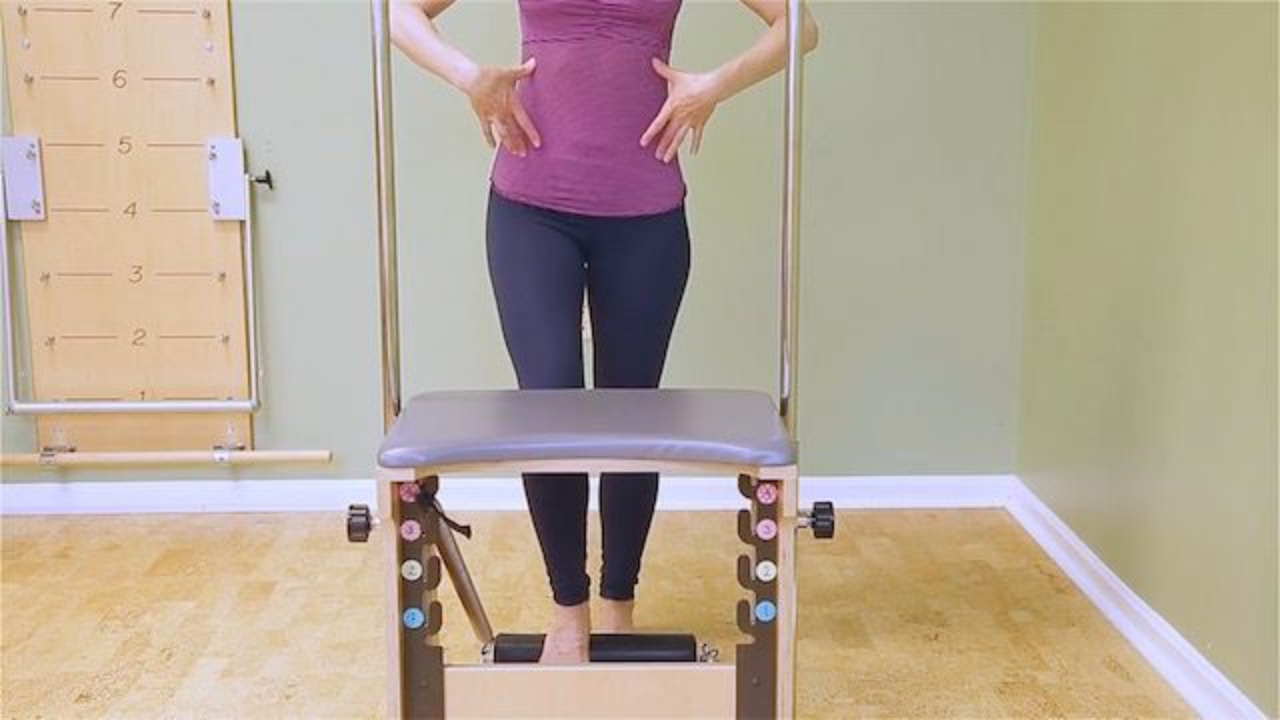
In Pilates, imagery is not decoration—it is a tool for clarity. One simple but powerful image is that of “putting your suspenders on.”
At first glance, this may sound abstract. But when applied thoughtfully, it becomes an effective way to organize the upper body and support efficient movement.
What Does “Suspenders” Mean in the Body?
Imagine a pair of suspenders (for you British and Aussie Pilates peeps: it's braces I'm referring to) running from the front of your hips, up along your torso, and over your shoulders. When you “put them on,” you are gently lifting and organizing the front of the body upward.
This is not a rigid or forced action. Instead, it is a subtle sense of length and support:
- The chest broadens without thrusting forward
- The shoulders rest without collapsing
- The spine feels buoyant rather than compressed
It is a feeling of being lifted, not held stiffly in place.
Why This Image Matters
Many people attempt to improve posture by pulling their shoulders back or tightening excessively. This often creates tension and restricts breathing.
The “suspenders” image offers a different approach:
- It encourages lift rather than bracing
- It distributes effort through the whole torso
- It supports natural alignment without rigidity
- It connects your rib cage with your pelvis, thereby stabilizing your spine
This aligns with a central Pilates principle: efficient movement comes from balanced support, not force.
How to Apply It in Practice
You can explore this idea in almost any position—standing, seated, or lying down.
- Start with awareness
Notice how your torso is currently organized without trying to change it. - Introduce the image
Picture the suspenders resting at the front of your hips. - Gently lift
Imagine drawing those suspenders upward over your shoulders. Allow the lift to travel through your center. - Observe the effect
Notice how your spine lengthens, your chest opens, and your breathing responds.
There should be no strain. If you feel tightening in the neck or shoulders, reduce the effort.
Integrating Into Movement
Once familiar, this concept can support many Pilates exercises:
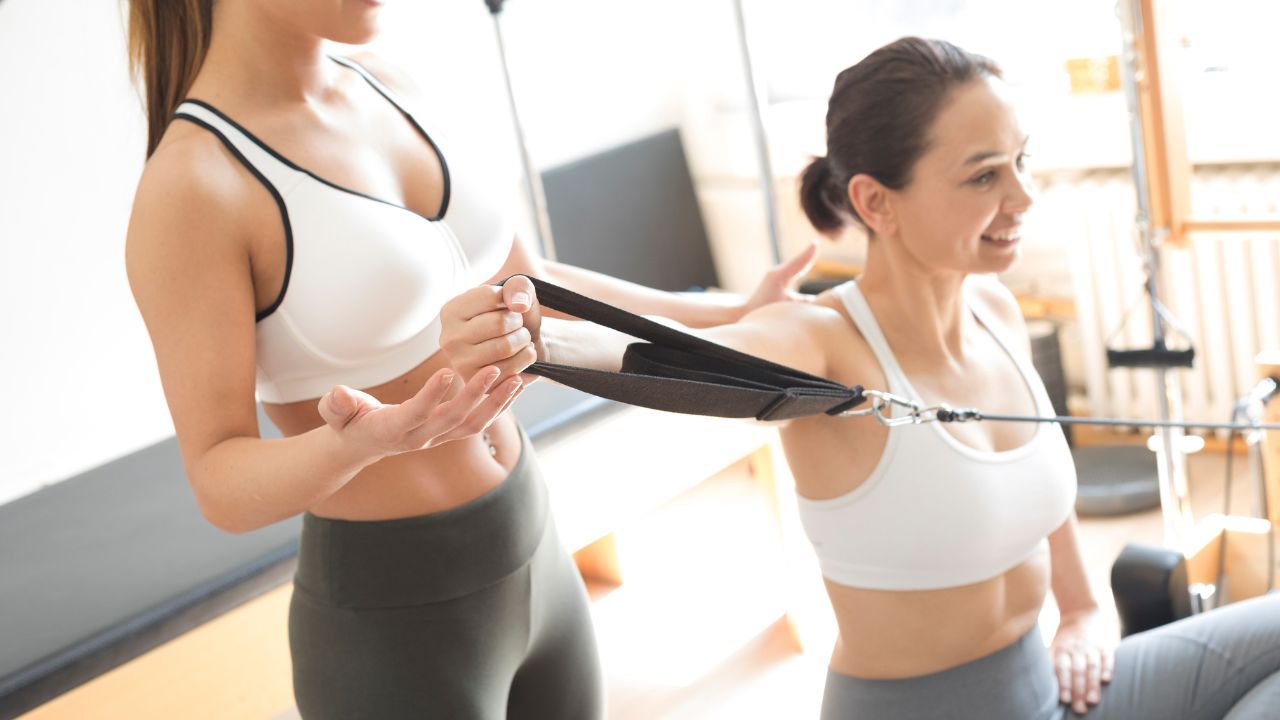
- During arm work, it prevents the shoulders from collapsing
- In spinal articulation, such as Bridging, it maintains length through transitions
- In standing work, it enhances balance and vertical alignment
Rather than thinking about multiple corrections, the single image of “suspenders” can organize the whole upper body efficiently.
A Final Note
Imagery works best when it invites a response, not when it demands one. The goal is not to “do it right,” but to explore how the idea influences your movement.
With practice, the sensation of gentle lift becomes more familiar—and eventually, more natural.