3 Tools To Make Class Planning Easy
Jan 07, 2026
When planning starts to feel heavy, it’s rarely because you don’t know enough. It’s usually because you’re trying to hold everything in your head at once.
You don’t need a complicated curriculum to stay organized or help your clients progress. You just need a simple structure that gives your teaching direction without boxing you in.
These three tools do exactly that and they make planning so much easier all year long.
Related: How to Plan a Pilates Class: A Simple Framework for Pilates Instructors
1. Exercise of the Week
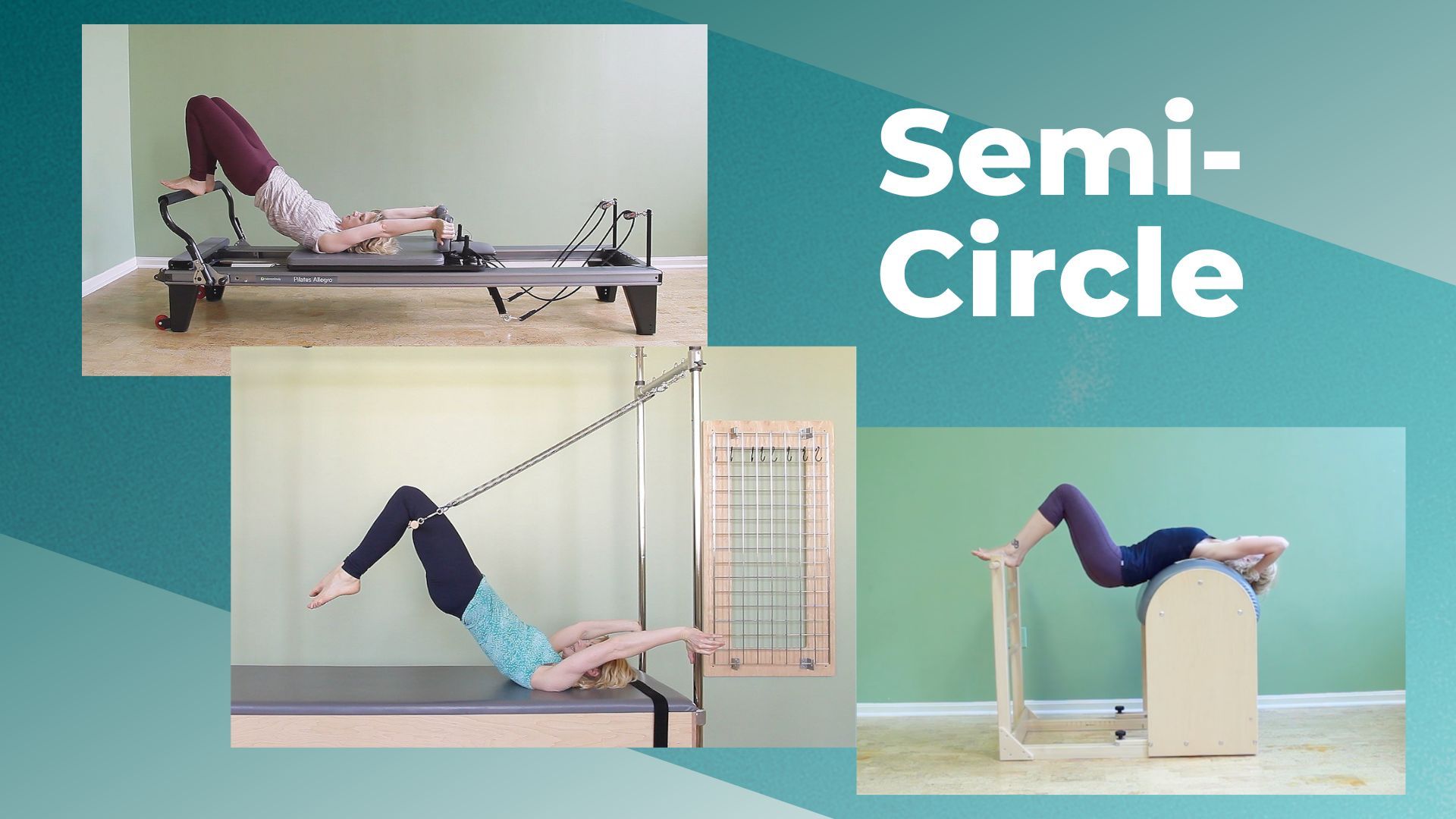
Choose one exercise and let it be the thread that runs through your teaching for the week.
It’s not about drilling the same thing again and again. It’s about giving yourself a theme so you can explore it from different angles.
Teach the full exercise.
Break it down for newer clients.
Offer variations for experienced ones.
Play with props.
Refine common mistakes.
By the end of the week, everyone feels more skilled and more connected to what they’re learning . . . including you.
2. Focus of the Week
This is your zoom lens. It helps you guide your clients toward better awareness and better movement patterns without needing a brand new class plan.
Choose ONE concept to highlight in all your sessions.
You can keep it simple with something like practicing deeper breaths, guiding the sitz bones or finding neutral pelvis in all exercises where it applies.
Or you can pick a specific movement habit you see every day such as locking the knees, rib popping, overextending the neck, sinking the low back in plank or letting the shoulders over-retract.
You can also focus on cues that improve both form and understanding such as the foot triangle for balance, the hip crease for stability, knee tracking, the pelvic bowl cue, oppositional reach or helping clients correct forward head posture by moving their head back and up.
You don’t need a complicated theme. One clear idea your clients can revisit all week is enough.
A consistent weekly focus sharpens your cueing, strengthens your observation skills, and helps clients finally FEEL the concepts they’ve been hearing for months.
3. Movement Skill of the Week
This tool connects your teaching directly to daily life.
You can choose a movement skill clients use every day such as hip hinge, squatting to stand, balance, lateral hip stability or knee tracking.
Or you can focus on skills that show up in almost every session like shoulder stability, hip rotation or spine stability on different planes.
Even something simple like improving ankle dorsiflexion or wrist extension can help clients move with more confidence and control.
Clients don’t just leave feeling worked out. They leave feeling more capable in their own bodies.
These three tools give you structure without rigidity. They lighten the mental load of planning while helping your clients build meaningful progress over time. And as a bonus, they help YOU improve your teaching skills, almost as a side effect.
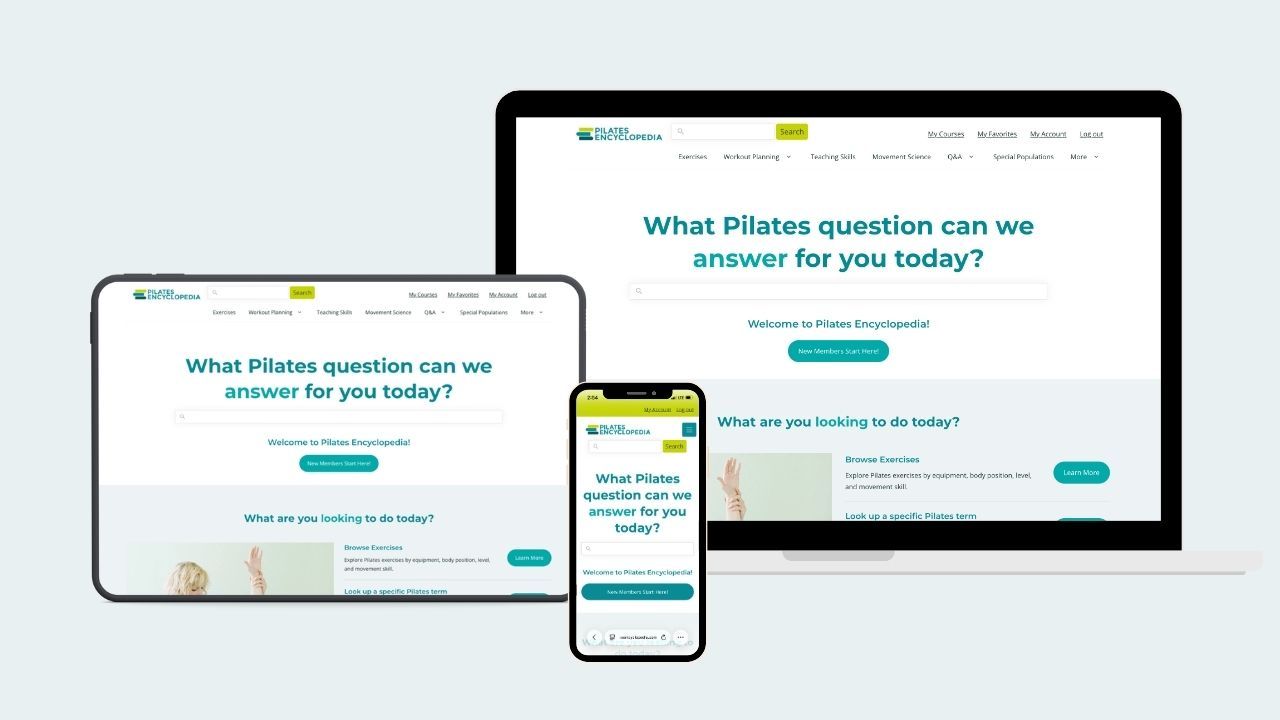
If you like the idea of using an Exercise of the Week, a Focus of the Week and a Movement Skill of the Week, the Pilates Encyclopedia membership offers all three. You get access to these weekly teaching tools year-round so you can plug them straight into your planning without doing any extra work.
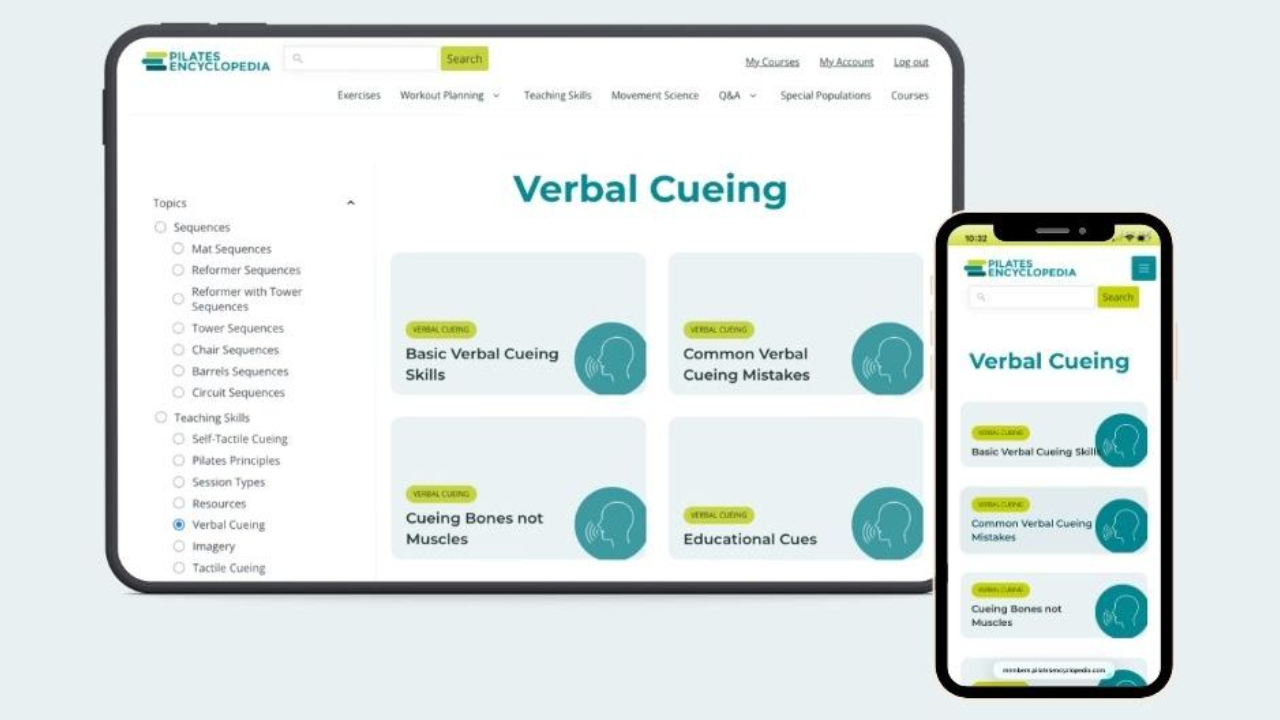
You also get the complete exercise library, cueing resources and teacher support that make it easier to plan with intention and keep your clients progressing.
👉 Become a member now to get access to all that.