How to Teach a Pilates Beginner: A Guide for New Pilates Instructors
Jul 01, 2020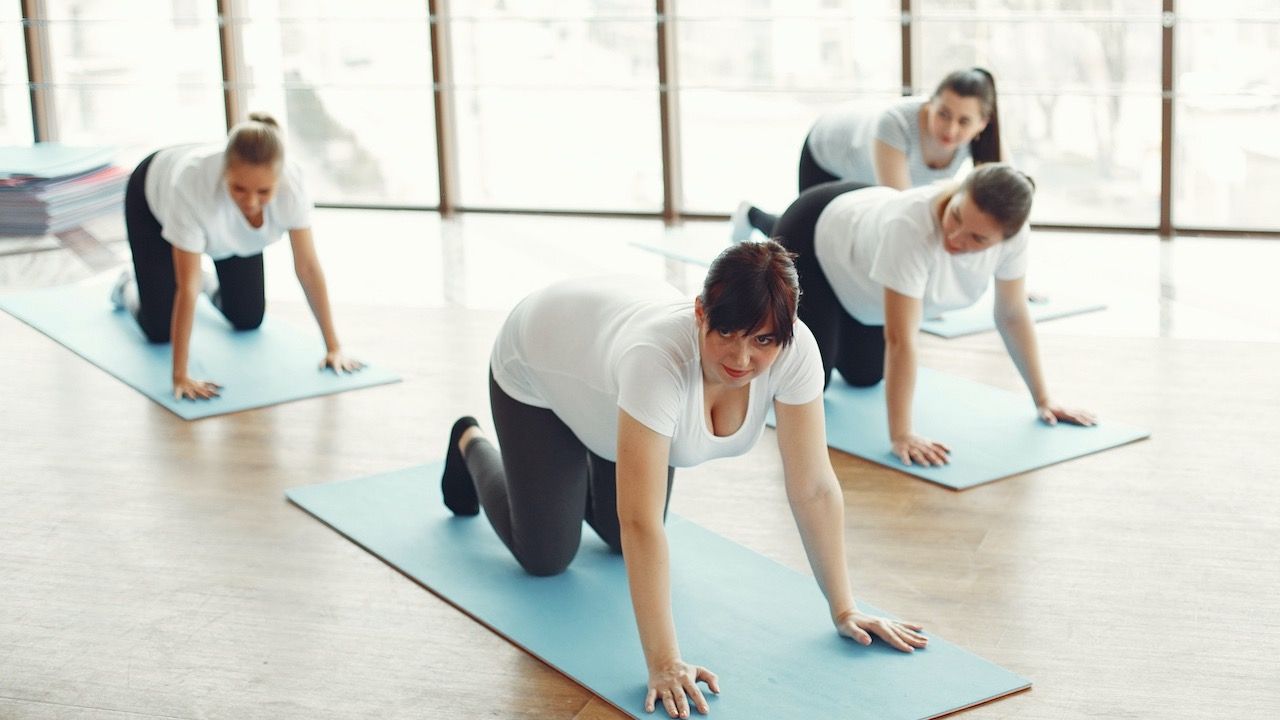
Teaching beginners is one of the most rewarding—and sometimes most challenging—parts of being a Pilates instructor.
A new student walks into your studio with little or no experience, and it's your job to introduce them to the Pilates method in a way that feels safe, successful, and enjoyable.
Many new instructors worry about choosing the "right" exercises or progressing students quickly enough.
In reality, successful beginner teaching has much less to do with the exercises themselves and much more to do with how you teach them.
Here are the principles I believe every Pilates instructor should keep in mind.
1. Start With the Person, Not the Repertoire
Before choosing exercises, learn about the student.
Ask questions.
Why have they come to Pilates?
What would they like to improve?
Are there movements they avoid because they're uncomfortable or difficult?
The answers will help you tailor the session to the individual instead of simply teaching a predetermined sequence.
A beginner who wants to improve their golf swing doesn't need exactly the same first lesson as someone recovering from months of desk work.
Listen first.
Teach second.
2. Don't Try to Teach Everything
One of the biggest mistakes new instructors make is trying to explain every Pilates principle during the first session.
Breathing.
Neutral pelvis.
Core activation.
Shoulder placement.
Rib positioning.
Foot alignment.
Head position.
Before long, the student has so much information they can't process any of it.
Instead, choose one or two priorities.
Allow the student to experience success before introducing more complexity.
Remember, Pilates is a lifelong practice—not a one-hour lecture.
3. Keep the Exercises Simple
Simple exercises often teach the greatest lessons.
Footwork.
Pelvic Curl.
Planks.
Spine Twist.
Chest Lift.
These foundational movements develop body awareness, coordination, and confidence without overwhelming the student.
The goal isn't to impress them with difficult exercises.
The goal is to help them move better.
4. Teach Movement Quality Before Exercise Quantity
Beginners don't need to know dozens of exercises.
They need to understand how to move well.
An exercise becomes more valuable as movement quality improves.
A student may perform the same Footwork exercise for several weeks and continue learning something new each time.
Refining movement is progress.
Changing exercises isn't always necessary.
5. Don't Rush Progression
One of the most common questions instructors ask is:
"How quickly should I progress a beginner?"
My answer is simple:
Only when they're ready.
There is no timeline that applies to every student.
Some learners develop body awareness quickly.
Others need more time to build coordination and confidence.
Both are perfectly normal.
Progress should be based on movement quality—not the number of sessions completed.
6. Know What Progress Really Looks Like
Progress isn't simply teaching the next exercise in the repertoire.
Sometimes progress looks like:
- smoother movement
- better breathing
- improved coordination
- less tension in the neck and shoulders
- more confidence
- better balance
- greater precision
Those improvements are often far more meaningful than learning another exercise.
7. Look for Readiness
Before increasing the challenge, ask yourself:
- Can they maintain good alignment?
- Do they understand the purpose of the exercise?
- Can they breathe naturally?
- Are they moving with control?
- Can they perform the exercise consistently?
If the answer is yes, they're probably ready for a new challenge.
If not, continue refining the fundamentals.
There's almost always another layer to discover within a basic exercise.
8. Give Beginners Small Wins
Nothing keeps a student motivated like success.
If every exercise feels impossible, students become frustrated.
If every exercise is too easy, they become bored.
The sweet spot lies somewhere in between.
Choose exercises that challenge the student while still allowing them to experience achievement.
Confidence is one of the strongest predictors of long-term adherence.
9. Remember That Repetition Isn't Boring
Sometimes instructors become tired of teaching the same exercises.
Your student doesn't.
While it may be your hundredth time teaching Footwork, it's only their tenth.
Repetition allows students to build familiarity, confidence, and skill.
Mastery always comes before variety.
10. Think Long-Term
Joseph Pilates didn't design his method to help people complete the repertoire as quickly as possible.
He created a system for improving the quality of human movement.
Your goal isn't to produce advanced students in record time.
Your goal is to help each student build such a strong foundation that every future exercise becomes easier to learn.
That's the difference between memorizing exercises and truly practicing embodied Pilates.
Final Thoughts
Teaching beginners isn't about giving them more exercises.
It's about giving them a better understanding of their own body.
When you focus on movement quality, thoughtful progression, and building confidence, your students will develop a foundation that supports them for years to come.
The exercises will change.
The principles won't.